Daily Archives: June 25, 2008
Buddhist caves
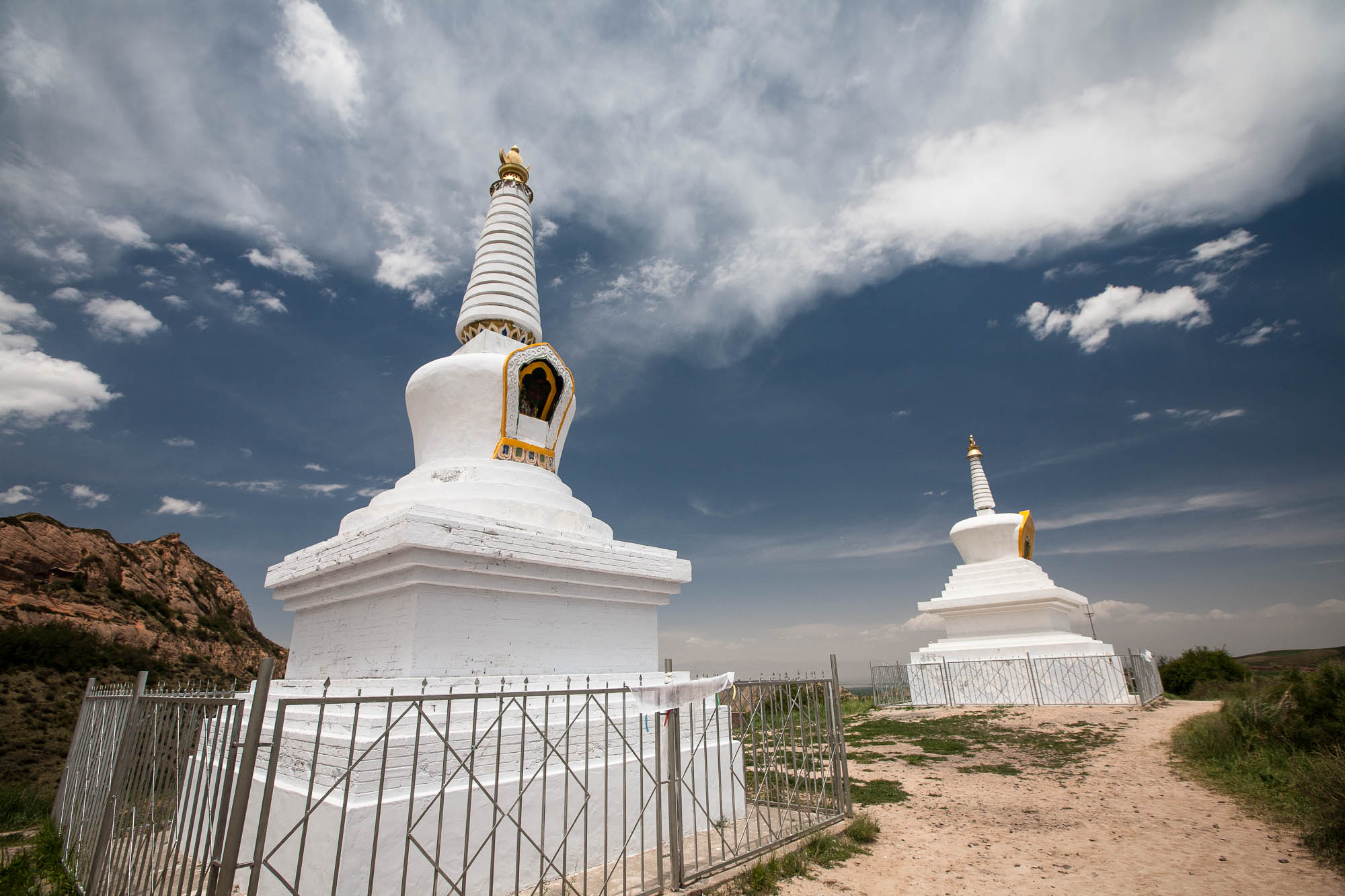
The Caboose was almost ready to go: It only needed some minor adjustments and a complete coating in white to make it more tolerant to direct sunlight. So I realized two things: 1) I wasn’t going to get anywhere today, 2) it was still before noon. So I hopped on a bus… …and went to […]
Most recent
- home posted on December 29, 2023
- the cut posted on December 14, 2023
- the last day posted on December 12, 2023
- take me posted on December 11, 2023
- street sign with a name posted on December 10, 2023
Most viewed
Most talked about
Day by day
«
June 2008
»- December 2023
- November 2023
- October 2023
- September 2023
- August 2023
- July 2023
- June 2023
- May 2023
- April 2023
- March 2023
- October 2022
- September 2022
- August 2022
- July 2022
- June 2022
- May 2022
- April 2022
- March 2022
- February 2022
- January 2022
- December 2021
- November 2021
- October 2021
- November 2019
- October 2019
- September 2019
- August 2019
- December 2018
- November 2018
- October 2018
- September 2018
- August 2018
- July 2018
- June 2018
- May 2018
- April 2018
- March 2018
- October 2017
- September 2017
- May 2017
- April 2017
- January 2017
- December 2016
- October 2016
- September 2016
- August 2016
- July 2016
- September 2012
- August 2012
- September 2010
- August 2010
- October 2008
- September 2008
- August 2008
- July 2008
- June 2008
- May 2008
- April 2008
- March 2008
- February 2008
- January 2008
- December 2007
- November 2007
▼
MonTueWedThuFriSatSun